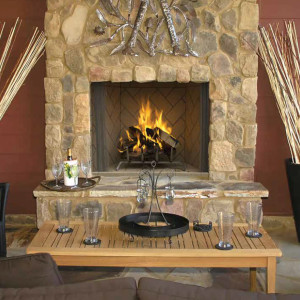
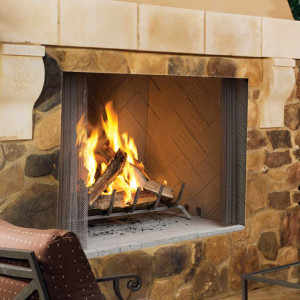
Outdoor Fireplaces

An outdoor fireplace turns a patio, deck, or pool area into a year round gathering space, extending the usable outdoor season by 4 to 6 weeks in both spring and fall.

Modern outdoor hearth products bear little resemblance to the masonry chimineas of the early 2000s. Today's options include stainless steel gas fireplaces engineered for full exposure, contemporary linear gas units that anchor modern patios, outdoor rated wood burning fireplaces with full sized fireboxes, and complete gas log set kits that drop into a custom outdoor surround. Every outdoor hearth product at Fireplace Insider ships free nationwide with white glove delivery and is backed by our price match guarantee.

Browse the full range from premium outdoor brands, including outdoor gas fireplaces, outdoor gas log sets, and outdoor wood fireplaces from Heatilator, Majestic, Napoleon, Real Flame, Valor, and other outdoor specialists.

20 plus years in the hearth industry Factory authorized dealer NFI certified specialists Engineered for outdoor exposure

How to Choose the Right Outdoor Fireplace

Six factors that separate a patio fireplace you actually use from one that becomes lawn furniture.

Choose your fuel

Natural gas is the lowest operating cost, never runs out, but requires running a gas line to the install location (typically $400 to $1,200). Propane gives placement flexibility from a tank but costs 2 to 3 times more per BTU. Wood delivers the smell and sound of a real fire and is the only option that produces meaningful radiant heat in an open outdoor environment, with the trade off of smoke, ash, and longer setup.

Confirm outdoor certification

An indoor fireplace installed outside will fail within one or two seasons. Outdoor rated units use 304 or 316 stainless steel components, weather sealed controls, and outdoor specific certifications. Look for explicit outdoor certification on the spec sheet. Covered patio and fully exposed are different ratings, so verify your install location matches what the unit is rated for.

Plan the clearances to combustibles

Outdoor fireplaces require clearances to wood structures, railings, eaves, and overhead combustibles. Standard requirements are 36 inches to the front, 12 to 24 inches to the sides, and 10 to 12 feet vertical clearance from the burner to any roof, pergola, or overhead structure. Confirm clearances against your patio layout before ordering.

Size the unit to your typical gathering

Outdoor fireplaces range from 30 inch personal models to 72 plus inch entertaining centerpieces. A 36 to 42 inch unit seats four to six comfortably. A 60 inch linear gas fireplace anchors a patio for 8 to 12 guests. Oversize for the gatherings you actually host, not the maximum your space could hold. An oversized fireplace dwarfs the rest of the patio.

Match the aesthetic to the rest of your hardscape

Outdoor fireplaces come in three dominant styles. Traditional masonry with stone or brick surround pairs with classic landscapes and porches. Modern linear with smooth concrete or stucco surround anchors contemporary patios and pool decks. Freestanding stainless works in commercial or rooftop installations where a permanent structure is impractical. Pick the aesthetic before the model.

Plan for off season protection

Even outdoor rated units last longer when protected from winter exposure. Plan for a fitted weatherproof cover (sold by most manufacturers as an accessory) for off season storage. For propane models, the tank should be shut off and disconnected for storage longer than a few weeks. For natural gas, the gas valve at the appliance should be turned off but the supply line can remain pressurized.

Outdoor Fireplace Questions

The questions our hearth specialists answer most often before a customer places an order.

What is the best fuel for an outdoor fireplace?

For most homeowners, natural gas is the best fuel if a supply line is available. It is the cheapest per BTU, never runs out, and lights instantly. Propane is the right choice when natural gas is not at the property or when placement flexibility matters more than cost. Wood is the choice for homeowners who want authentic flame, sound, and smell, and are willing to handle the smoke, ash, and longer setup. Many homeowners with two seating areas install one gas unit for instant ambiance and one wood unit for occasion fires.

How much does an outdoor fireplace cost installed?

Total installed cost ranges from $2,500 to $30,000 plus. Drop in gas log set kits with a basic surround run $2,500 to $5,000. Mainstream outdoor gas fireplaces with stone veneer surround land between $6,000 and $15,000. Premium outdoor wood burning fireplaces with full masonry chimneys reach $15,000 to $30,000 plus. Variables include the unit cost, gas line work, concrete pad, surround material, and chimney requirements for wood.

Do outdoor fireplaces add value to a home?

Yes. Outdoor fireplaces are consistently cited in NAHB and Houzz surveys as one of the top three outdoor features buyers want. Resale value typically returns 50 to 70 percent of the install cost. The bigger value is in days on market: homes with finished outdoor entertaining spaces sell faster than comparable homes without them, particularly in the spring and summer selling seasons.

Are outdoor fireplaces safe under a covered patio?

Yes, with the right unit. Many outdoor fireplaces are rated for installation under a covered patio or pergola, but require specific vertical clearance (typically 8 to 12 feet from the burner to the ceiling) and may require vent piping to direct exhaust safely. Wood burning units under a covered patio require a code compliant chimney that extends above the roof line. Always verify the install location against the manufacturer's clearance requirements before ordering.

Can outdoor fireplaces stay outside in winter?

Outdoor rated fireplaces are engineered for year round exposure but last significantly longer when protected. A fitted weatherproof cover during the off season prevents UV damage to gaskets, moisture intrusion into electrical components, and corrosion on burners. Stainless steel components resist corrosion well, but the gas valves, ignition modules, and remote control electronics benefit from cover protection. Wood burning units handle weather better than gas units overall.

FI

Curated by the Fireplace Insider hearth team

Fireplace Insider is operated by hearth specialists with more than two decades of fireplace installation experience and thousands of completed projects. Every outdoor product in this category has been vetted by an NFI certified specialist for outdoor certification, corrosion resistance, and real world reliability in exposed conditions.

Talk to a hearth specialist