Vented Gas Log Sets

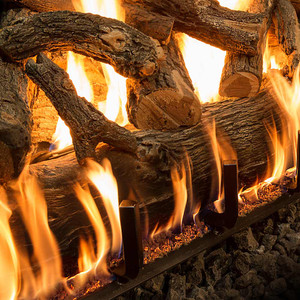
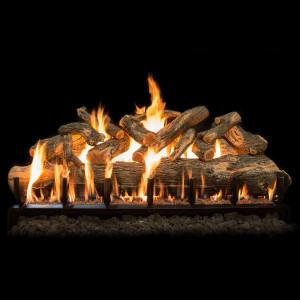
A vented gas log set delivers the tallest, most realistic yellow flame in the hearth category, producing the look and warmth of a real wood fire without the smoke, ash, or split logs.

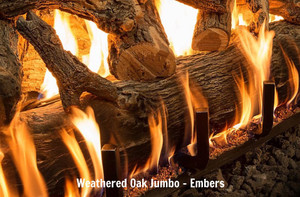
Vented gas logs burn with the damper fully open, allowing flames to wrap around hand cast refractory ceramic logs the way they would around real cordwood. Outputs typically range from 50,000 to 90,000 BTUs, though most of that heat exhausts up the chimney by design. Every set Fireplace Insider sells ships free nationwide with white glove delivery, and is backed by our 20 plus years of hearth industry experience and price match guarantee.

We carry vented log sets from Real Fyre, Grand Canyon Gas Logs, White Mountain Hearth, Empire, and Majestic in oak, birch, hickory, pine, and driftwood styles. For sets that operate with the damper closed and provide actual room heat, see our Vent Free Gas Log Sets collection.

Tallest Yellow Flame Factory Authorized Dealer Free White Glove Shipping Price Match Guarantee

How to Choose the Right Vented Gas Log Set

Six factors that separate a stunning vented log installation from one that disappoints.

Verify a working chimney and damper

Vented gas logs require a sound masonry chimney or a Class A factory built chimney in good condition, and the damper must remain fully open during operation. A damper clamp keeps it open and prevents accidental closure. Have the chimney inspected before installation. Cracked flue tiles or heavy creosote must be addressed first.

Measure the firebox to size the log set

Vented sets are nominally sized at 18, 24, 30, 36, and larger inches. Each manufacturer publishes minimum firebox width, depth, and height requirements that allow proper flame clearance. Measure the front opening width, back wall width, and depth. A 30 inch vented set typically needs a firebox at least 38 inches wide at the front and 18 inches deep.

Choose the burner system that matches your fire

A standard pan burner with sand and ember produces a yellow flame that sits between the logs. A see-through bar burner places flame directly under each log for a wraparound effect. Higher tier brands use proprietary burner pans with multiple ignition points for a fuller, more random flame. The burner determines flame quality more than the logs.

Select log realism that matches the room

Refractory ceramic logs in entry tier sets are mold cast and hand painted. Premium sets from Real Fyre and Grand Canyon use molds taken from actual cordwood with hand applied bark, char, and split detail. Higher end sets cost two to four times as much but the difference is obvious at conversational distance. Match the wood species to your interior.

Decide between manual or remote control

Match light sets are lit with a long match at the burner and offer no flame adjustment. Manual safety pilot kits add an on/off knob with a thermocouple. Variable flame remote ready packages allow flame height adjustment and can pair with a thermostat or smartphone remote. Most homeowners upgrade to remote control for the convenience.

Understand that vented logs are for ambiance

A vented log set typically delivers 10 to 20 percent of its BTU input to the room. The other 80 percent goes up the chimney with the combustion products and the open damper draft. If your primary goal is to heat the room, a vent free log set, a gas insert, or a direct vent fireplace is the correct choice. Vented logs are for the look.

Vented Gas Log Questions

The questions our hearth specialists answer most often before a customer places an order.

How much heat does a vented gas log produce?

Vented gas logs deliver roughly 10 to 20 percent of their BTU input to the room. A 75,000 BTU vented set provides about the same effective heat as a small space heater while the rest exhausts up the chimney. The trade off is the tallest, most realistic flame in the industry.

Why do vented logs look more realistic than vent free?

Vented logs burn with the damper open, which allows flames to develop fully and dance around the logs the way wood flames do. Vent free logs are tuned for clean combustion, which requires a shorter blue tinted flame that does not actually touch the logs. The realism gap is significant and visible from across the room.

Do vented gas logs produce soot or carbon monoxide?

A small amount of soot is normal because the flame intentionally licks the logs. The open damper carries combustion byproducts up the chimney. As long as the damper is properly clamped open and the chimney is in good condition, indoor air quality remains safe. Annual chimney inspection is recommended.

Can I convert a vented log set to vent free?

No. The two systems are engineered differently. Vented burners are designed for high gas volume and an open damper. Vent free burners use a precise air to gas ratio and an Oxygen Depletion Sensor. The conversion is not safe or legal. If you want vent free operation, buy a vent free log set.

How long does a vented gas log set last?

The refractory ceramic logs typically last 15 to 20 years with normal use, though premium sets retain appearance longer because they use higher quality refractory. The burner, valve, and pilot assembly will outlast the logs and can be reused when a replacement log set is purchased.

FI

Curated by the Fireplace Insider hearth team

Fireplace Insider is operated by hearth specialists with more than two decades of fireplace installation experience and thousands of completed projects. Every vented gas log set in this category has been vetted by an NFI certified specialist for flame quality, log realism, and chimney compatibility.

Talk to a hearth specialist