Mantels & Surrounds

A mantel is the architectural frame around a fireplace, defining the room's focal point and transforming a simple firebox into the centerpiece of the space.

Mantels and surrounds are available in solid hardwood, cast stone, MDF with hardwood veneer, and natural stone, in widths from 48 to 84 inches with opening dimensions sized to fit standard fireplace fronts. Selection depends on the fireplace type (wood, gas, or electric), the room's design language, and required clearance to combustibles for heat producing fireboxes. Every mantel Fireplace Insider sells ships free nationwide with white glove delivery, and is backed by our 20 plus years of hearth industry expertise.

We carry mantels and surrounds from Lexington Hearth and other premium suppliers in traditional, transitional, and contemporary styles. For the fireboxes they pair with, browse our Gas Fireplaces, Electric Fireplaces, and Wood Fireplaces collections.
Solid Hardwood Options Factory Authorized Dealer Free White Glove Shipping Price Match Guarantee

How to Choose the Right Mantel or Surround

Six factors that determine whether your mantel will frame the room or fight it.

Measure the firebox opening first

Mantels are sized by interior opening width and height to fit around the visible firebox face. Measure the height, width, and finished depth of the firebox opening including any non combustible trim. Match the mantel opening to these dimensions, then verify the exterior mantel width fits the available wall space with 6 to 12 inches of breathing room on each side.

Verify clearance to combustibles

Heat producing fireplaces (gas and wood) require minimum clearances from the firebox opening to combustible mantel materials. Typical clearances are 6 to 12 inches above the opening to a mantel shelf and 6 inches on each side to the side legs. Verify the published clearance for your specific fireplace model before ordering. Electric fireboxes have minimal clearance restrictions.

Choose material by maintenance preference

Solid hardwood mantels (oak, cherry, maple, walnut) offer the warmest aesthetic and can be refinished. They cost the most and require periodic reseal of finish. MDF with hardwood veneer is more affordable and dimensionally stable. Cast stone and natural stone surrounds are maintenance free and ideal for high traffic homes. Choose by lifestyle, not just appearance.

Match the style to the architecture

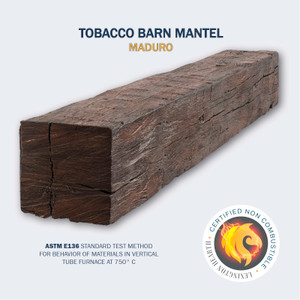
Traditional fluted column mantels with detailed cornice work suit colonial, federal, and Victorian interiors. Transitional mantels with clean lines and minimal ornament work in most contemporary homes. Beam style mantel shelves alone suit modern, farmhouse, and rustic interiors. Skip the surround legs when the design language calls for minimal architectural elements.

Plan mantel shelf depth and load

Standard mantel shelf depth ranges from 8 to 12 inches. Deeper shelves of 14 to 16 inches accommodate larger decorative objects and holiday displays. Verify the published load rating for the mantel shelf and bracket system, typically 50 to 150 pounds. Heavy stone or cast iron decor requires confirmed load capacity to avoid sagging or detachment over time.

Confirm wall framing supports the install

Mantels mount to wall framing with French cleats, lag bolts into studs, or masonry anchors into brick and stone surrounds. Verify stud locations or anchor points before ordering. For new construction, add blocking inside the wall framing during rough construction to allow mantel mounting anywhere along the width. Retrofits require care to hit existing structure.

Mantel and Surround Questions

The questions our hearth specialists answer most often before a customer places an order.

How far should the mantel be above the firebox?

Clearance depends on the fireplace type. Direct vent gas fireplaces typically require 6 to 12 inches of clearance between the top of the firebox opening and a combustible mantel shelf. Wood burning fireplaces require greater clearance, often 12 inches or more. Electric fireplaces require minimal clearance. Verify the spec for your fireplace model before ordering.

Can I mount a TV above the mantel?

Usually yes. The mantel shelf itself helps deflect rising heat away from the wall above, which protects a mounted television. Verify the heat plume zone in the fireplace install manual and follow the manufacturer's minimum mounting height. Many modern fireplaces include a heat management kit that diverts hot air away from the wall above.

What is the difference between a mantel and a surround?

A mantel is the full assembly including side legs and a top shelf, forming a complete frame around the fireplace opening. A surround is the side trim and headpiece without a projecting shelf, or sometimes a stone or tile facing material around the firebox. Mantel shelf alone refers to just the top horizontal element without legs.

Can I install a mantel over a stone fireplace?

Yes. Mantels attach to stone surrounds using masonry anchors drilled into mortar joints rather than the stone itself. A French cleat mounting system distributes load evenly along the back of the mantel. Stone surfaces should be cleaned and any loose mortar repaired before mounting. Professional installation is recommended for stone substrates.

How long do mantels last?

A quality hardwood mantel with proper finish lasts 50 plus years and can be refinished to refresh appearance. MDF veneer mantels typically last 20 to 30 years before veneer separation appears. Cast stone and natural stone surrounds outlast the home with minimal maintenance. Avoid moisture exposure and direct heat in excess of clearance specifications.

FI

Curated by the Fireplace Insider hearth team

Fireplace Insider is operated by hearth specialists with more than two decades of fireplace installation experience and thousands of completed projects. Every mantel and surround in this category has been vetted by an NFI certified specialist for build quality, clearance compatibility, and installation hardware.

Talk to a hearth specialist